

Why Choose Sport in BUENAS
- ⚽
Full Coverage
Follow a wide variety of sports, including football, basketball, and more.
- 📊
Detailed Statistics
Access comprehensive data to help you make informed decisions.
- 🎁
Special Promotions
Earn exclusive bonuses and participate in end-of-year offers.
Company News
- 🏆
Soccer
Watch live matches and enjoy the best betting options.
- 🏀
Basketball
Dive into the on-court action with exclusive stats and analysis.
- 🎾
Tennis
Bet on international tournaments with competitive odds.
Exploring CrazyGems: A Dazzling Adventure for Gamers
Dive into CrazyGems, an exciting new game captivating players with its unique gameplay and vibrant graphics. Discover the game's fascinating features, rules, and how it connects with today's dynamic gaming landscape.
- 📖
Study team statistics and performance before betting.
- 🕒
Gamble responsibly and set clear limits.
- 💡
Take advantage of seasonal promotions to maximize your earnings.

The Captivating World of Shogun: A Game of Strategy and Strategy

The Captivating World of Shogun: A Game of Strategy and Strategy
In the realm of strategy board games, Shogun stands out as a captivating blend of history and tactical mastery. Set in Japan during the tumultuous era of the Sengoku period, Shogun immerses players in the strategic challenges faced by feudal lords vying for power and territory. Through a unique combination of mechanics and an engaging narrative backdrop, Shogun has captured theination of many board game enthusiasts around the globe.
Introduction to Shogun
Shogun, first released in the early 2000s, was designed by Dirk Henn, known for his ability to weave historical themes into strategic gameplay. The game is set in the late 16th century, a period marked by civil strife and the constant battle for supremacy among samurai clans. Players assume the roles of daimyo, regional warlords, each striving to consolidate power, expand their territories, and eventually become the Shogun of Japan.
The game begins with each player in control of a few provinces. From there, they must strategize to gather resources, manage their armies, and outmaneuver their opponents. Through clever planning and sometimes ruthless tactics, players can achieve dominance and secure victory.
Game Description and Mechanics
The core of Shogun's gameplay revolves around a card-driven action selection mechanism. Each round, players secretly choose which actions they will undertake from a set of cards that represent various strategic moves. These actions include building and upgrading fortifications, deploying troops, harvesting resources, and engaging in battles for territory control.
One of Shogun's most unique features is its innovative battle resolution system. Unlike many strategy games where dice determine the outcome, Shogun utilizes a cube tower. Players drop their armies, represented by colored cubes, into the tower. The cubes that emerge from the bottom of the tower determine the victor, introducing an element of unpredictability that keeps the gameplay exciting and dynamic.
This cube tower mechanic not only adds a tactile element to the game but also represents the chaotic nature of war. It reflects the reality that, despite meticulous plans, the uncertainties of battle can disrupt even the most carefully laid strategies.
Rules and Gameplay Strategy
Shogun's complexity lies in its multifaceted rules and the interplay between economic management and military strategy. Understanding the nuances of each phase of the game is crucial for players to succeed.
- Resource Management: Players must balance their income and expenditures to ensure the successful expansion of their territories. Managing rice, gold, and troop recruitment requires foresight and careful planning.
- Action Planning: The game progresses through a series of seasons, and players must plan their actions for each season. Anticipating opponents' moves and making the most of opportunities is key to securing an advantage.
- Diplomacy and Alliances: While war is inevitable, forming temporary alliances and negotiating with other players can shift the balance of power. Diplomacy plays a subtle but essential role in achieving broader strategic goals.
- Combat and Conquest: Engaging in battles requires careful consideration of both offensive and defensive capabilities. Understanding when to strike and when to reinforce is crucial for territorial expansion.
Connection with Current Events
Recently, the strategic elements of Shogun have resonated with players as they mirror real-world geopolitical tensions. The game's portrayal of alliances, resource management, and unpredictable outcomes reflects dynamics observed in contemporary international relations. In an era where diplomatic negotiations often hold the balance of power and where nations vie for influence, Shogun's gameplay can be seen as a microcosm of the larger geopolitical landscape.
Moreover, the global popularity of board games has surged, providing a social and strategic outlet for individuals seeking to connect and engage in meaningful play. As people turn to board games to foster communication, teamwork, and critical thinking, Shogun's strategic depth and historical context offer an enriching experience that transcends mere entertainment.
Conclusion
Shogun remains an enduring classic in the realm of strategy games, offering a rich and immersive experience that challenges players to navigate the intricacies of war and diplomacy. Its unique mechanics, historical grounding, and strategic complexity make it a favorite choice for gamers seeking an intellectually stimulating experience. As it continues to capture the interest of new generations, Shogun's legacy as a masterpiece of board game design endures. Experience the strategic brilliance of Shogun and immerse yourself in a world of samurai, honor, and ambition.
Company News
-

Dive into the enchanting world of FortuneNeko, where tradition meets innovation in a captivating gameplay experience.
-

Dive into the riveting world of GigaMatchMoolah, a game that combines excitement and strategy. Learn about its intriguing features, how to play, and the impact of current events on gaming trends.
-

Delve into the captivating world of GoHighJoker, an innovative game combining excitement, strategy, and chance.
-
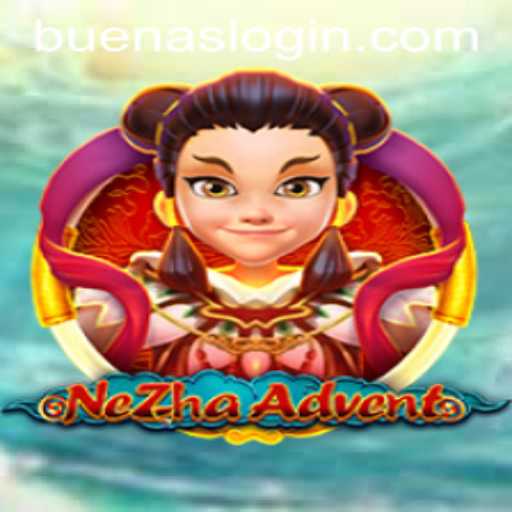
Explore the captivating world of NeZhaAdvent, a game that merges ancient mythology with modern strategic gameplay, offering a unique and engaging experience.
-

Explore the thrilling world of BurningFort, an innovative game combining strategy and entertainment. Delve into its unique mechanics and discover why it's capturing the gaming community's attention.
-

Explore ReelLove, a charming game that blends romance and casino excitement.
-

An in-depth look into the exciting world of MadHitWildAlice, a game that combines strategy, creativity, and current events.
-

Dive into the captivating world of HotTripleSevens where nostalgia meets innovation. This modern twist on a classic game comes packed with intriguing features and current trends.


